Best Khoya in Bulk: The Ultimate Guide for Quality and Reliability
Khoya, also known as mawa, is a staple ingredient in Indian and South Asian cuisine, particularly in the preparation of traditional sweets and desserts. Made by slowly simmering full-fat milk until most of the moisture evaporates, khoya is rich, creamy, and versatile. As demand grows across commercial kitchens, sweet shops, and food manufacturers, sourcing khoya in bulk — while ensuring top quality and hygiene — has become more important than ever.
In this article, we’ll explore what makes the best khoya in bulk, the types of khoya available, what to look for in a bulk supplier, and why premium khoya can elevate your culinary offerings.
What is Khoya?
Khoya is a milk-solid ingredient created by reducing milk over heat. It is used to prepare classic sweets like gulab jamun, barfi, pedha, kalakand, gujiya, and more. It also plays a key role in festive and celebratory dishes throughout India, Pakistan, Nepal, and Bangladesh.
There are three primary types of khoya:
Batti Khoya (Hard Khoya) – Dense and firm, used for sweets like burfi.
Chikna Khoya (Soft Khoya) – Moist and pliable, ideal for making gulab jamun.
Daanedaar Khoya – Granular in texture, often used for traditional sweets like kalakand.
Why Buy Khoya in Bulk?
Purchasing khoya in bulk offers several advantages for businesses and large-scale food operations:
1. Cost Efficiency
Buying in bulk significantly reduces per-unit costs, making it economical for high-volume production.
2. Consistency
Bulk supply ensures a consistent taste, texture, and quality in every batch of sweets or dishes you produce.
3. Time Savings
Instead of preparing khoya in-house — a labor-intensive and time-consuming task — buying ready-made khoya saves hours of work and allows your team to focus on other tasks.
4. Hygiene and Safety
Reputable bulk suppliers use sanitized equipment and meet FSSAI (India) or FDA (USA) standards for food safety, reducing the risk of contamination.
How to Identify the Best Bulk Khoya Supplier
Finding a reliable khoya supplier is critical for your business reputation and product quality. Here’s what to consider:
✅ 1. Quality Assurance
Ask for samples and test for aroma, color, moisture content, and taste.
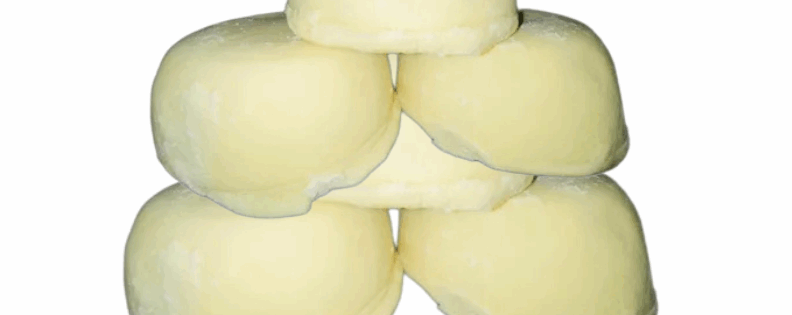
The best khoya is creamy white, has a rich dairy aroma, and should not feel overly sticky or watery.
✅ 2. Sourcing and Ingredients
Check whether the khoya is made from full-cream milk or skimmed milk.
Prefer suppliers using 100% natural milk, without preservatives or additives.
✅ 3. Shelf Life
Khoya is perishable. Opt for suppliers who offer fresh daily batches or use safe packaging to extend refrigerated shelf life.
Some suppliers also offer frozen khoya, which can last up to 3–6 months.
✅ 4. Certifications and Hygiene
Ensure the supplier is certified by regulatory authorities like FSSAI, ISO, or HACCP.
Ask for lab reports or compliance documentation.
✅ 5. Packaging and Delivery
Khoya should be packed in food-grade, airtight containers to retain freshness.
Cold-chain logistics are essential for transporting khoya to prevent spoilage.
✅ 6. Volume and Flexibility
Look for suppliers who can accommodate variable orders — from 5 kg to 500 kg or more — depending on your business needs.
Who Needs Bulk Khoya?
🏪 Sweet Shops (Mithai Stores)
For daily production of laddus, pedas, kalakand, and seasonal sweets like gujiya and chandrakala.
🏭 Food Manufacturers
Used as a base for packaged sweets or dairy desserts in both Indian and international markets.
🍴 Catering Services
Events, weddings, and religious functions require bulk khoya for large-scale sweet preparation.
🌍 Exporters
Businesses exporting traditional Indian sweets often source high-grade khoya to meet international standards.
Benefits of Using High-Quality Khoya
Using premium khoya not only improves taste and texture but also enhances the reputation of your business. High-quality khoya:
Blends seamlessly into sweets
Doesn’t release excess water during cooking
Has a longer shelf life (especially when frozen)
Yields better binding and structure for sweets like gulab jamun or burfi
Khoya Alternatives (If Needed)
In rare cases where fresh khoya is unavailable, some businesses opt for alternatives like:
Milk powder mixed with cream/milk
Condensed milk and ricotta cheese (for fusion dishes)
Frozen or canned khoya from trusted brands
However, these alternatives may affect the traditional taste and texture. Fresh bulk khoya remains the top choice for authenticity.
Eco-Friendly and Hygienic Practices in Khoya Production
Top-tier suppliers now emphasize sustainable practices, such as:
Using locally sourced milk to reduce carbon footprint
Employing energy-efficient equipment during milk reduction
Implementing zero-waste practices by repurposing whey or leftover solids
Avoiding artificial preservatives, focusing on cold storage methods instead
These initiatives not only protect the environment but also align with customer demand for natural, clean-label ingredients.
Popular Regions for Bulk Khoya Supply
India: Uttar Pradesh, Rajasthan, Punjab, and Maharashtra are major producers
USA/Canada/UK: South Asian grocery wholesalers and sweet makers import or locally manufacture khoya
Gulf Countries: High demand during festivals like Eid, Diwali, and Ramadan
Bulk Pricing and Delivery
Pricing varies depending on:
Type of khoya (chikna, batti, daanedaar)
Quality grade (premium vs. commercial)
Quantity ordered
Region and delivery logistics
As of 2025, the average bulk khoya price ranges between:
INR 250–400 per kg (India)
USD 6–9 per lb (International markets)
Some suppliers offer discounts on large or recurring orders. Delivery can be arranged daily, weekly, or monthly based on your production schedule.
Final Thoughts
Buying the best khoya in bulk is a strategic investment for any food business serious about quality and efficiency. From ensuring authentic taste to saving labor and time, high-quality khoya makes a difference in every bite. Choose a supplier with proven quality, proper certifications, reliable logistics, and ethical production practices.
Whether you’re preparing festive sweets, mass-producing Indian desserts, or running a premium mithai shop, make bulk khoya your go-to ingredient for unmatched richness and flavor.